Showing posts with label Deus Ex. Show all posts

Monday, January 16, 2017

Best Games of 2016

Normally I write these up starting the second Monday of the year. I took an extra week this year, and I think all the lists will be better as a result. In the world of video games in 2016 there were a couple trends, with possibly the most notable being the high number of good shooters. Battlefield, Gears of War, and Call of Duty all put out new games with fun campaigns, Superhot was a lot of fun, and Overwatch was a breakout multiplayer hit. More than half the games on my list take place from a first-person perspective. Not that there wasn't good stuff in other genres - if it was a standalone game instead of an expansion, The Witcher 3: Blood and Wine probably would have made my top ten, and the creepy puzzle-platformer Inside just missed the cut.

Best of 2016

10. Hitman (Multi)
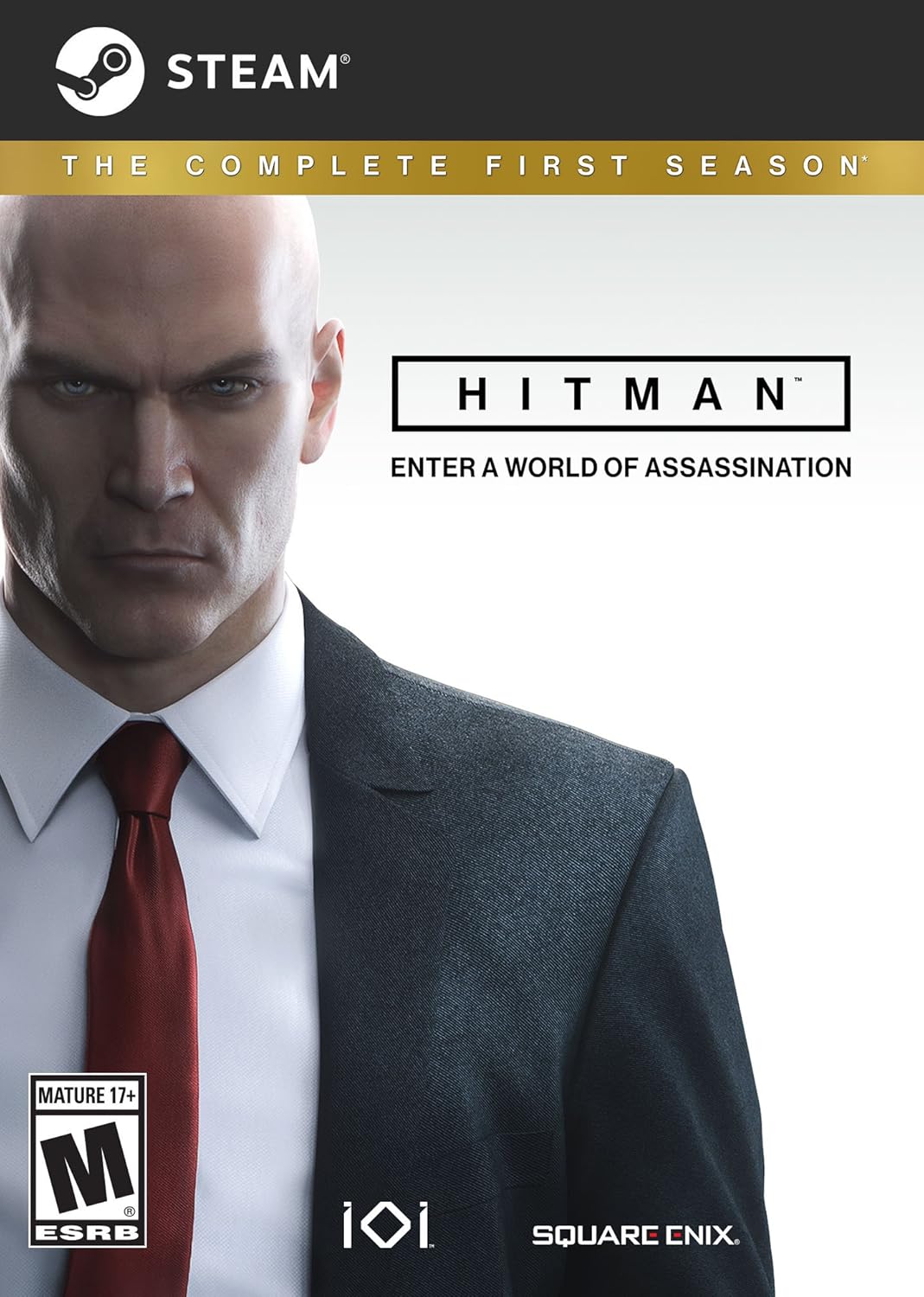

I enjoyed Hitman: Absolution as a more traditional stealth game, but there's no denying that it failed to uphold the Hitman legacy. IO Interactive went back to the drawing board and gave fans what they wanted: another Hitman game that's all about exploring interesting foreign locations, figuring out how the targets, civilians, guards, security systems, and environment work together, and using that knowledge to pull off clever assassinations. The game was released episodically, which gave players an opportunity to really scour the different areas and get more out of them than you would if it was all put out at the same time. Personally, I played this first "season" after it was all out, and I don't enjoy screwing around and trying around as much as many others seem to, but every mission was satisfying to figure out and accomplish, and I'd like to go back and try some of the opportunities I ignored the first time. Also, some stealth games are known for their funny incidental NPC dialogue, but few have ever done it as well as it is here.

9. Deus Ex: Mankind Divided (Multi)
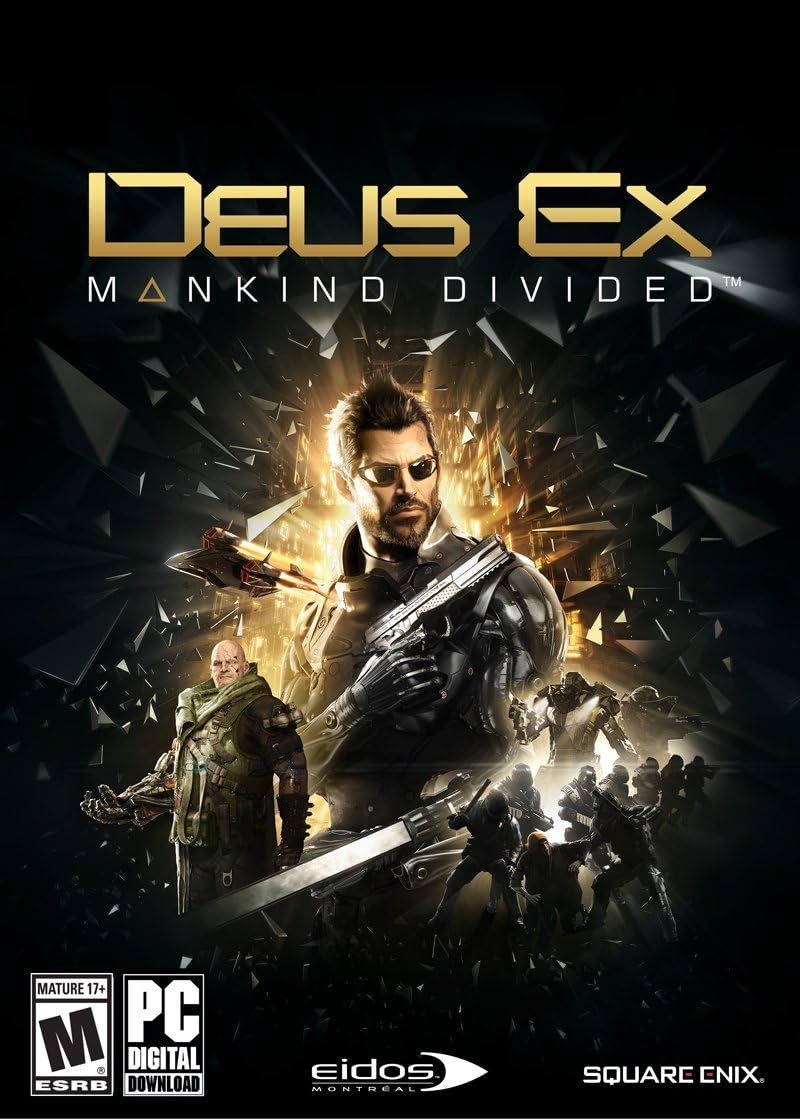

Mankind Divided is the first Deus Ex game to star a returning protagonist. I kind of wonder why the developers are so attached to Adam Jensen, who has one of gaming's most ridiculous gravelly voices and not much of a personality. However, Eidos Montreal still knows how to craft a smart stealth-focused cyberpunk action RPG, and the continuing near-future conspiracy storyline is still fairly intriguing, even if Adam isn't. The game has a cool structure where you're primarily based in Prague, and you visit a few other locations but spent most of your time in the same few city blocks, juggling multiple responsibilities and helping unfortunate victims of the class divide that human augmentation causes. It's an open world in miniature, where the area is small but feels alive in believable because of the narrow focus. A few things hold it back, but for the most part it's a really solid game.

8. Titanfall 2 (Multi)
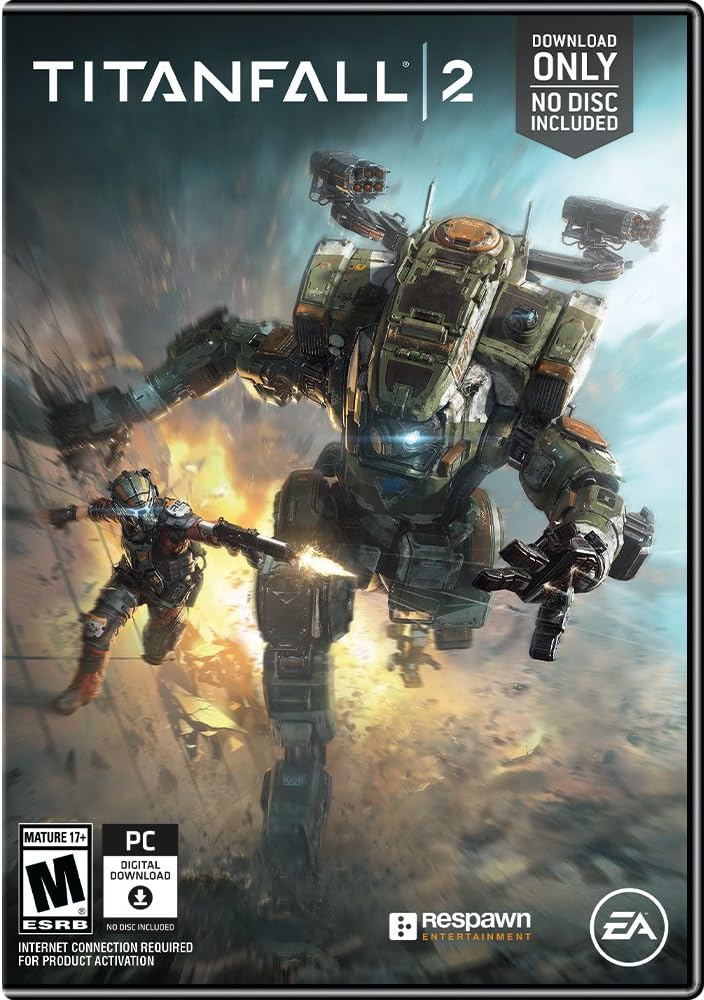

The original Titanfall was a fun multiplayer shooter, sort of a better-feeling Call of Duty with mechs. For the sequel, people were expecting a bit more, and Respawn delivered. based on their experience with the aforementioned Call of Duty series, I expected a short but forgettable campaign centered around a bunch of big firefights. What we got was indeed pretty short, but actually one of the more memorable shooter single-player modes in a while. The game is built around soldier Jack Cooper and his relationship with BT, the Titan he gets rushed into piloting in dire circumstances. They go on a journey together to reunite with the military force their part of, and along the way they develop a bond with some actual humor and emotional weight that was a delightful surprise. And a couple of those levels are real standouts, including one where you have to navigate an assembly line that's building these prefabricated structures around you and another that has you traveling between two different points in time. Other games on this list do some of this stuff better, but Titanfall 2 is still worth your time.

7. The Witness (Multi)
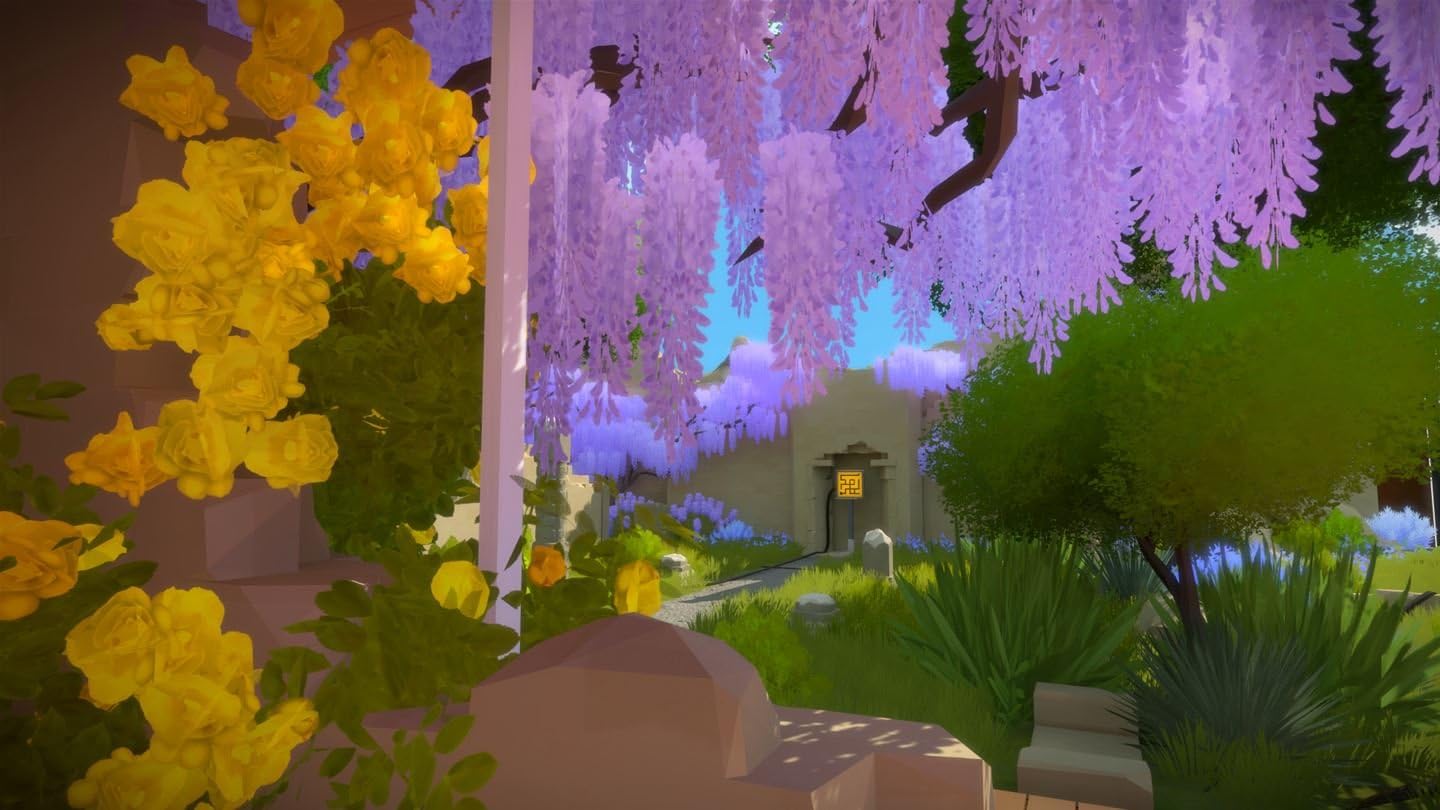

The Witness has a pretty classic adventure game setup. You wake up on a strange island, and the only way to get closer to understanding the situation is to solve a bunch of abstract puzzles. It's a bit different than other games in some very obvious ways though. The truths you uncover tend to be more of an all-encompassing philosophical kind, rather than simple explanations of who you are and why you're here, and more importantly, every single puzzle comes down to tracing a line from one end of a shape to another. You wouldn't expect this to stay interesting for a full game, but it's remarkable how many permutations on logic and intuition Jonathan Blow and his team were able to wring out of the simple concept. And with multiple layers of completion, you can reach a satisfactory conclusion to the game even if there's a certain type or two of puzzle that you just can't figure out. It's a deep game that can be explored for thirty minutes if you don't have much time, or hours and hours if you really get invested.

6. Firewatch (Multi)


Camp Santo is made up of sort of an indie game dream team - designers and writers from great games like The Walking Dead and Mark of the Ninja, the composer of Gone Home, wonderful artists from Double Fine and some great pieces you've probably seen online, whether they were properly attributed or ripped off. Their first game, Firewatch, is about a man who decides to become a fire lookout at a national park for a summer, who spends his time attending to his normal duties and chatting on the radio with his supervisor at the next lookout tower over. Those conversations are really the meat of the game, as you figure out what sort of relationship you have with her, and try to find a connection to help make sense of what you're feeling. There are some simple interactions involving navigating and maintaining your section of the park, and a story that dips its toes into some unexpected territory. If you can get into the right mindset for the game, it's a very pretty and relaxing experience, with the emotional depth you might expect from the pedigree.

5. Dishonored 2 (Multi)
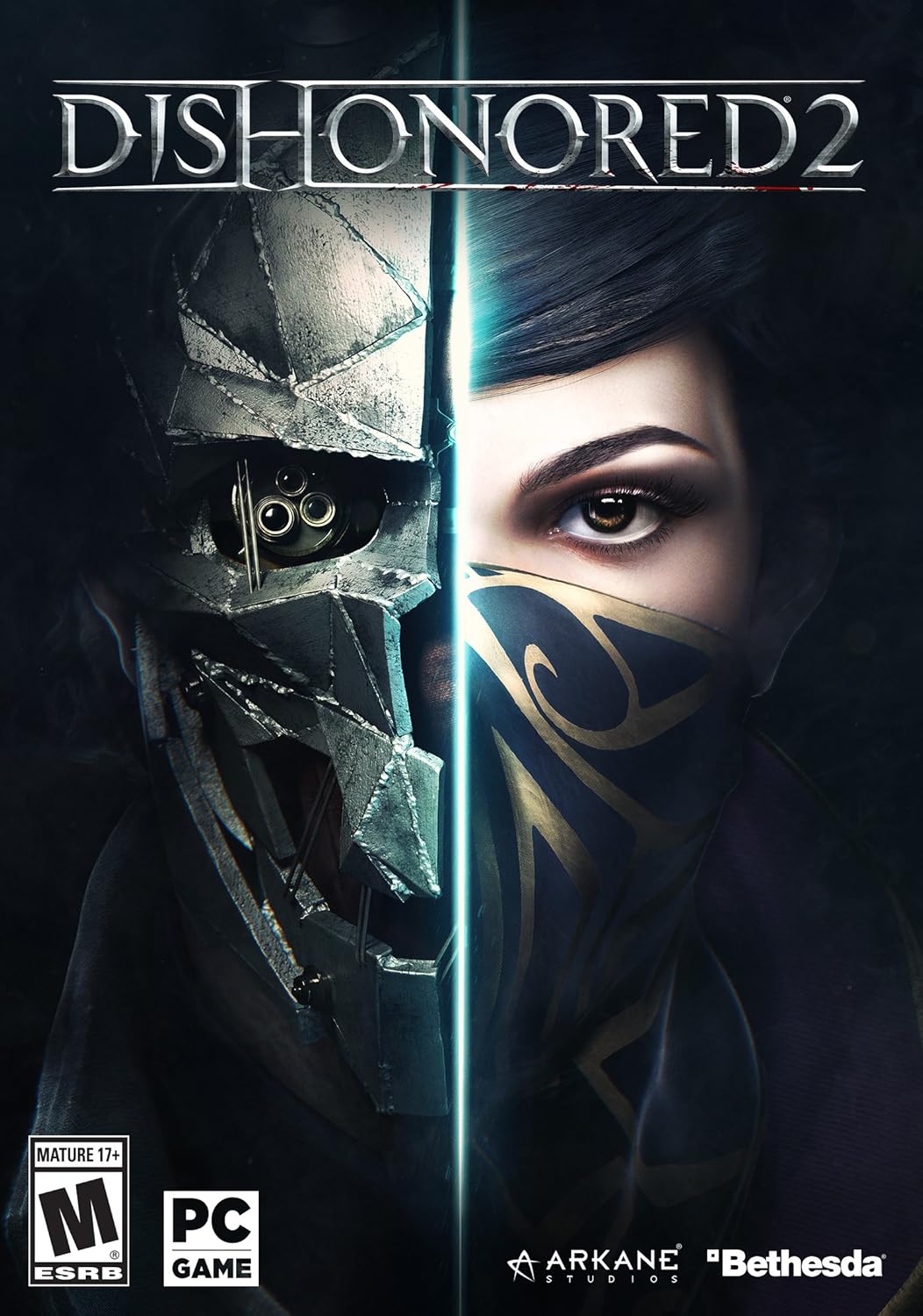

Everything Dishonored did well, Dishonored 2 matches. It has a unique, interesting setting that is built effectively through art design and background information you can find. It has solid core stealth and action mechanics that are augmented through a clever magical power system where you pick and choose the abilities that complement the play style you're going after. It has wonderful level design, where you find yourself navigating intricate city blocks and private estates, with different sections patrolled by different factions who will react to you in specific ways, and a great sense of freedom despite the generally linear progression, thanks to multiple paths and beneficial optional objectives. Unfortunately, the original's biggest weakness - a fairly dull plot that's not helped by pointless celebrity voice acting that generally comes off as bored - was not corrected. Still, there's a lot to be said for games that do anything as well as what Dishonored 2 gets right, and its levels are more consistently brilliant that the first time.

4. The Last Guardian (PS4)
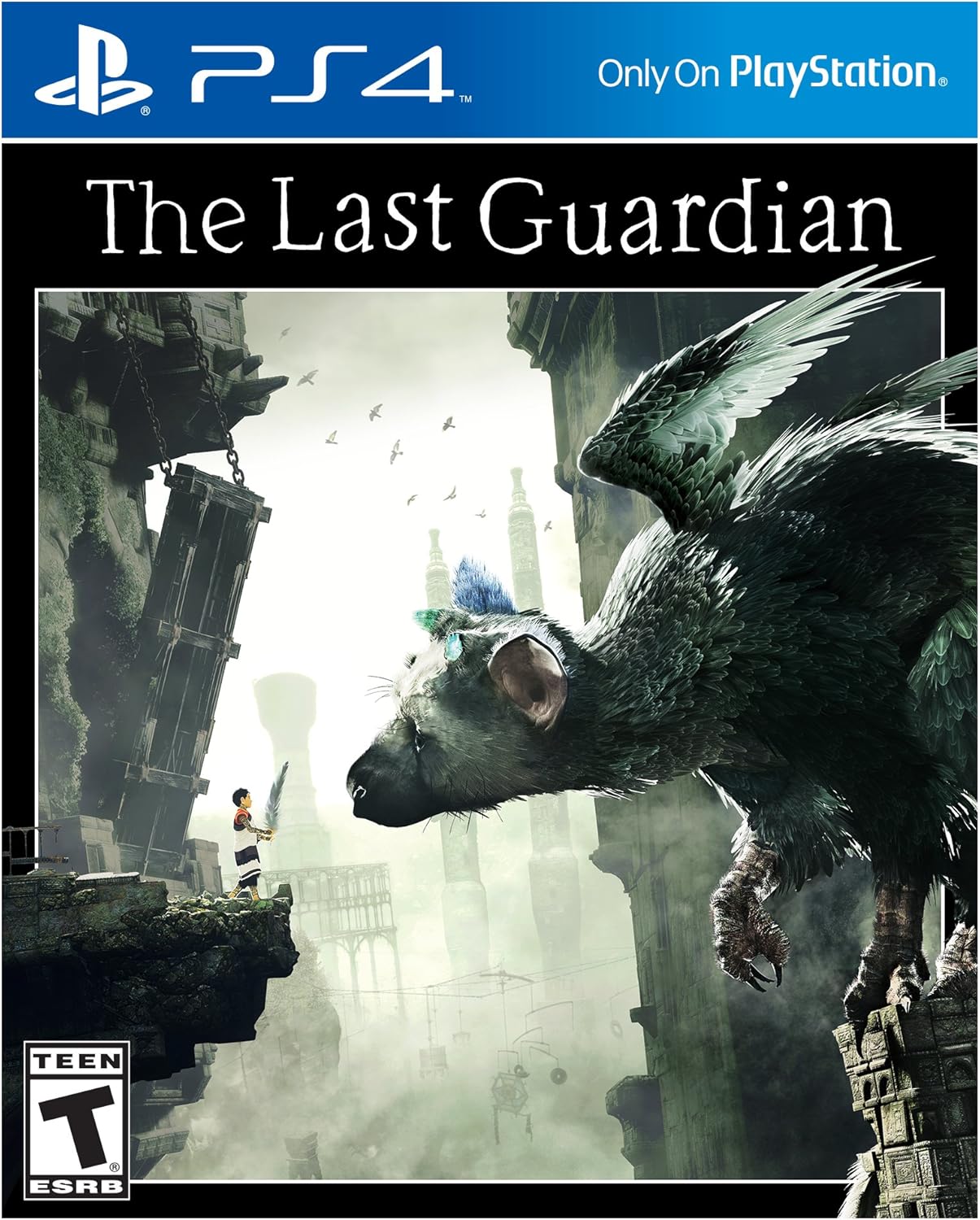

I'm a big fan of designer Fumito Ueda's two PS2 games, Ico and Shadow of the Colossus. So when they announced a new game by the same team for the PS3, I waited happily for its release. And waited. And waited. Over the years, the game stopped showing up at events, and seemed like it might die without ever coming out. It finally reemerged on the PS4, and last year, it actually came out. When you play it, you can see why it took so long - the technology behind an AI-driven, very large and detailed animal that climbs around environments while you can climb over it at the same time seems extraordinarily complex, and the frame rate is pretty bad in intense moments despite the hardware upgrade and long development cycle. The achievement itself was worth it, though. Trico, the strange bird/cat/dog creature you spend the whole game interacting with, is an incredible success on both a technical and artistic level. Many players experienced a lot of frustration getting it to do what they want, which is too bad. But if the relationship works, like it did for me, it's enough to overcome a whole lot of niggles about the way it controls and other details that could have been handled better. It's possibly the most flawed game on the list, but also the most magical.

3. Dark Souls III (Multi)

It definitely feels like there's some Souls fatigue going around for many. These are long, stressful games, and this is the third of its type in three years, and fifth in eight. For my own part, I had a great time with it. The Weapon Arts bring a new dimension to combat, the game looks wonderful (as wonderful as demon-infested medieval ruins can look, anyway), and they've ironed out most of the kinks that make the series less inviting for new players. It's still tough - if you've never played one of these before, there's a boss ten minutes in who will probably kick your ass. I'd still rate it as a pretty good jumping on point. The level design is excellent, and consistent in a way From Software hasn't pulled off before - there isn't a single area or boss I'd dread revisiting on a second time through. Fans of the first Dark Souls will continue to lament that they haven't recaptured the idea of a fully interconnected world since, and it felt like there were a couple of easy opportunities for those kinds of connections that they missed or just ignored. But the individual levels are still masterfully put together, with plenty of links and secrets to find, and they're populated by enemies that are always fun to square off against. As someone who never deviates far from a typical melee weapon build, I had very little to complain about.

2. Uncharted 4: A Thief's End (PS4)
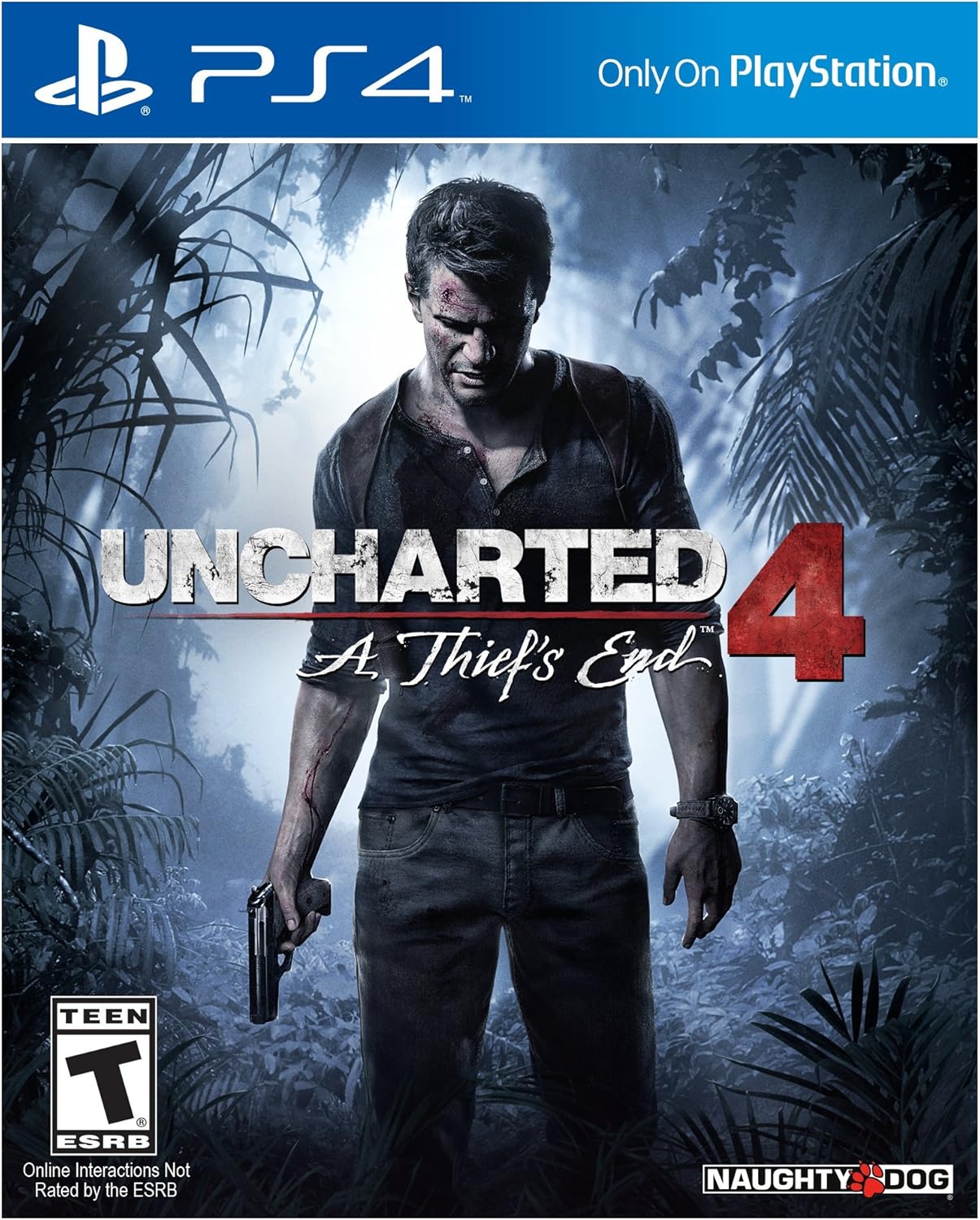

It seems like Naughty Dog is held to a different standard than other developers. They need more of a reason to revisit a concept, more justification to make a sequel. A fourth Uncharted game? After they switched things up with The Last of Us, it better be worth it. Luckily, they took a lot of what they learned from my favorite game of 2013 and used it to revive Uncharted in really interesting ways. This is probably the last game starring Nathan Drake, but it's a hell of a send off. It begins by introducing Nate's brother Sam, an idea which seems kind of schlocky. But they take the time to justify his previously unmentioned existence, and use it to create a story about Nate being torn between the obligation he feels towards his brother, who he had left for dead, and his responsibility to his wife, who he promised to give up his dangerous lifestyle for. This seems really heavy for an action game about climbing on cliffs and shooting bad guys, and it is, but they really take the time to pace it out and make it work. You feel invested in the characters in a way you probably weren't before, and everything feels weightier and more meaningful. It's probably pretty easily the least violent game in the series, and it doesn't feel like anything is missing. Plus, the action is still great and the graphics are incredible. People have doubts about a sequel to The Last of Us as well, but I'm totally on board for whatever they do.

1. Doom (Multi)


I've never played a Doom game before, and I really wasn't that interested in the new one. And when I first tried it, I had a good time, but I wasn't blown away. Once I sat down and really played it through myself, I totally understood why people were raving, and started considering whether I should try playing the original. It's just incredibly fun from start to finish. The graphics are nice and functional, the music is terrific (I can hardly fathom that they originally intended to have no guitars), and the story keeps you moving and laughing at the protagonist's disdain for everything happening around him. But it's the simple act of playing it that makes it the game of the year. You move through scientific facilities on the surface of Mars and dark corners of Hell, exploring to find hidden upgrades and blasting demons. Your arsenal of weapons and abilities and the variety of monsters that you deal with slowly expand as you come to understand how they all work. By the end, you're leaping around arenas, managing your ammo, brutally ripping enemies in half to refill your health, carefully timing the use of a chainsaw or a powerup to turn the tide of a battle, and making mincemeat of any freak that would dare to try to stop you. Not every game should be like Doom, but Doom is everything a game should be.

Delayed Entry

This is the best game that wasn't released in 2016 but I didn't play until then.

Donkey Kong Country Returns 3D (3DS)

I'm not going to lie, I didn't play a lot of older games last year. The selection for this was pretty thin. DKCR is a very good platformer, though. The 3DS version gives the player extra health to make up for the somewhat troublesome controls (the analog slider is really no good) and shuffles some of the postgame, but it's otherwise the same as the Wii version. It has a nice art style, it's challenging but gives you plenty of opportunities to avoid having to start entire levels over, and it has some pretty clever boss fights. It's the definition of a solid game.

Sunday, February 5, 2012

Game Update 20: DLC Round-Up 5

It's getting close to a year since I've done of these. I'm not quite as focused on seeing every piece of content from every game I play as I used to be.

Bioshock 2: Minerva's Den


Minerva's Den has a reputation as one of the best DLC add-ons for a game ever made, and it's well earned. If you didn't need to buy Bioshock 2 first to play it, I'd say you could just skip it and play Minerva's Den to get all you need out of the experience. It serves as a sort of smaller version of the main game, again having you play as a Big Daddy and collecting most of the same equipment as you experience a story that's a lot more tightly written and emotionally effective than the main game's. It always seems a bit odd to focus on praising the narrative of a video game, especially a downloadable add-on, but Minerva's Den really is exceptionally well conceived and executed. Worth checking out even if you didn't love the main game.

Deus Ex: Human Revolution: The Missing Link


Another add-on that acts as a microcosm for the main game, The Missing Link explores a gap in Human Revolution's story and basically allows you to make a new Adam Jensen from scratch that you will use for a few hours before the story wraps up and connects back to the main plot. You begin on a ship and eventually end up on another secret base, which you can either sneak or shoot your way through until you reach the ending. Obviously this DLC doesn't capture the other side of the game that lets you just walk around and explore, and there were a few annoying aspects of the level design, particularly the way the mission requires you to go back and forth in the same space repeatedly and pass through the same extremely slow doorways until you get sick of them. But if you really enjoyed Human Revolution like I did, it's hard to say no to another clandestine base to infiltrate, especially if you can get it on sale.

L.A. Noire: Rockstar Pass


None of the DLC for L.A. Noire was very substantial, but the way Rockstar distributed it was very cool. There were several individual cases that were available for download for okay prices, but if you knew you wanted to play all of it, you could plop down a little extra for the "Rockstar Pass" and get all of it as it came out at a lower rate. It encouraged people to pay more up front with the knowledge that they wouldn't miss anything. The cases themselves seem like they were merely snipped out of the main game without much thought, some of them even revealing certain story elements that were referred to "later" in the main plot without explanation. The original game was plenty long enough, so I didn't feel cheated, and the cases themselves were a natural extension of what made the game fun in the first place. Neat investigations and adequate action sequences abound.

Portal 2: Peer Review


The best kind of DLC is free DLC, and Valve knew that when they put out Peer Review, an extension to Portal 2 that added something similar to the challenge mode from the first game that was missing in the sequel, and more importantly, added a new section to the already stellar co-op campaign. This section mixed and matched various concepts from earlier in the co-op to put together some really fiendish puzzles, creating perhaps the most difficult (and no less entertaining) Portal gameplay that I've experienced. And of course it's framed within the context of Portal's very funny and entertaining universe, which means plenty of new GLaDOS quips and robot antics to laugh at. It's hard to get a better value for your no dollars.

Monday, January 9, 2012

Best Games of 2011

Being employed for all of 2011 might not have been great for my free time, but it did allow me the freedom to try out pretty much any new game I was interested in, which worked out pretty well. I don't think I've ever managed to play this much new stuff around when it came out before. I haven't finished playing a couple of these games yet, which would normally mean they wouldn't make the list, but I feel I've played both of them enough to say about where they stand compared to the other stuff.

Best of 2011

10. L.A. Noire (Multi)


I don't look back on this as fondly as other games on the list, but a lot of that is probably reaction to all the horrible stuff we heard about the game's development and a bit of revisionist history. At its core, Noire is a very fun game that managed to mix adventure game-style mysteries with open world action effectively. The post-war Los Angeles setting was realized beautifully, the facial animation is pretty staggering, and the tale it weaves has all the elements of classic film noir. There are plenty of small issues, but the experience matches the ambition well.

9. Battlefield 3 (PC)


It's really too bad that beyond the graphics, sound design, and a few standout moments, the campaign of Battlefield 3 is otherwise so bland and fails to take advantage of what makes the franchise unique, because they could have helped make the game one of the best shooters in a long time. Instead, it's merely memorable as something that failed in its ambition to beat Call of Duty at its own game. The multiplayer saves it, though, combining all the best elements that they've found over the years into something addictive, rewarding, and very fun to play, whether you can maintain a decent kill ratio or not. And man, it really does look and sound fantastic.

8. Batman: Arkham City (Multi)


For an open-world game, Arkham City isn't that big, with a map that only takes a few minutes to get across even if you have to glide all the way around its weird shape, and not much to do beyond the main story besides collecting a whole ton of Riddler trophies. But the core gameplay they brought back from the last game is still so good, that actually playing it beats most open-world games on the market. The combat and stealth get a better chance to shine when there's more groups of goons to stumble across, and the more focused stuff once you get indoors is still a lot of fun. It would be hard to capture the thrill of being a super hero better than this.

7. The Witcher 2: Assassins of Kings (PC)


The first game in the series had a lot of cool ideas, but it was ultimately a bit hamstrung by its nature as a sort of strange European RPG by a first-time developer. They used that experience very well though in crafting the sequel, a much better game that smooths over some of the rough edges well enough to let the good stuff underneath really shine. The game looks fantastic, with graphics that compliment the visual design and impress without being flashy, and the gameplay is a solid mix of discovering and learning about the game's world with a combat system that is tough but fun and rewarding. A really nice success story.

6. Deus Ex: Human Revolution (PC)


Another surprisingly good sequel, Human Revolution learns from the mistakes of the last game that tried to follow up on the original classic and stays true to what was actually interesting about it while updating things that needed updating for the modern day. The game is not without significant flaws, notably in the design of the boss fights, but the core experience is so solid that it's hard not to get sucked into it. The game is really meaty, with plenty of interesting content and very little in the way of filler, giving you twenty solid hours of science fiction roleplaying and action and allowing for a variety of approaches to almost every situation. It's hard to really connect with the story, but the act of playing it is always compelling.

5. The Legend of Zelda: Skyward Sword (Wii)


I feel like the Zelda series has gotten a raw deal from many gamers in the last few years, perhaps starting with some backlash there was towards Twilight Princess when it came out earlier in the Wii's existence. Some complaints about the way they've decreased freedom and increased the tedium are valid, but I think sometimes these people are looking for something that they're just not going to get from the series anymore, which has always been meant to be friendly to kids. Taking into account changing standards and some of those now-systemic flaws though, I think Skyward Sword is perhaps the best game in the series since Majora's Mask. After a slow opening, the game opens up, and there's a lot of fun to be found in its world. Trying to tell an origin story again makes for a pretty interesting narrative, the use of motion controls is better justified, and the dungeons are as fun as ever. It's not the game-changing Zelda people probably wanted, but what it is is a very fun and comfortable adventure.

4. Bastion (PC)


A lot of times I get really into smaller games like this despite the gameplay, because their stories and presentations are unique and enchanting. That's true here, but the actual game part is really good as well. Bastion is a short but satisfying action RPG that hooks you both with its myriad of fun weapons and powers and all the ways it has to enhance the whole experience, from the unique setting and art style to the wonderful soundtrack and the unforgettable narration. And it might just have the most affecting story of any game on this list.

3. Uncharted 3: Drake's Deception (PS3)


I find it odd that Uncharted seems to be held to a totally different narrative standard than other action games. Most of the time it's fine for a shooter or platformer to jump all over the world for very little reason, but since the characterization and voice acting in Uncharted is so good, people expect consistency in the plot too, and complain if a part of the game is only there because it's cool and certain threads get lost in the shuffle by the end. I understand hoping for a little more, it just seems unfair to me. Anyway, Uncharted 3 isn't the revelation that Uncharted 2 was because of course it isn't, but it still manages a fun mix of shooting, jumping, and puzzle solving, it's still funny and exciting, and its big moments are still staggering in their technical complexity and ability to impress. If it's Naughty Dog's last Uncharted game, it's a great note to go out on.

2. The Elder Scrolls V: Skyrim (PC)


I played Oblivion for well over one hundred hours and called it my favorite game of 2006, so you know when I say that Skyrim is better in almost every way, I must really think something of it. It again captures the joy of exploring and getting to know an immensely large world, but improves on pretty much everything about that experience. Skyrim is a land with an intriguing history and sense of culture, and it's absolutely filled to the brim with cool stuff to do. There are six major questlines all with their own little twists and wrinkles, and their stories are generally much more interesting than what you'd find in the earlier games. There's more side stuff to do, and the basic experience of finding a dungeon and then raiding it for all of its treasures is more fun and less repetitive. If there's one thing the game doesn't do as well, it's come up with individual quests that feel as special at certain memorable moments. But the overall feeling of playing the game for many, many hours is undeniably superior.

1. Portal 2 (Multi)


I said Portal 2 was my favorite game of this generation of hardware, and I stand by it. It's just the right length, with its story mode being a significant chunk of content lasting just the right length, and the co-op being a meaningful addition. The puzzles are just as mind-bending as before, relying less on reflexes and more on your ability to think through a problem, and having plenty of new tricks and elements to keep things fresh the whole time. The story is funny and intelligent, expertly told in ways both direct and indirect, with well-written dialogue being superbly delivered by the small voice cast and the environment being carefully crafted to tell you everything about Aperture you'd ever want to know without saying a word. It's just the best example of both good game design and good execution of that design on this list, and it's my favorite game of the year.

Tuesday, March 25, 2008

Deus Ex: Invisible War


Judged next to the original Deus Ex, the sequel can be considered a disappointment. People loved the first game, and most of the similarities the games share are top-level concepts and not the execution of those concepts. If it was its own thing, I think it would have been better received, but as a sequel, it definitely feels simplified for a broader audience, alienating the fans the series already had. It's still about playing a person trained and cybernetically modified to be the perfect soldier, in a directed yet flexible storyline featuring corruption and conspiracy, with a level of freedom in how you go about your tasks. In some ways, you have even more freedom than the first game, with the (somewhat irrelevant) choice of gender and often multiple conflicting objectives to consider, rather that just the occasional side quest. As nice as that sounds though, the opposing forces don't actually offer that much potential for interesting ramifications. Leaders of a faction will warn you that you're angering them if you keep going against their wishes, but they never actually stop giving you the opportunity to help them. Near the end, enemies will or will not attack you based on what you've done recently, but like the first game, there are multiple endings and you can side with whoever you want regardless of what you actually did the rest of the time.

There are some game design choices I didn't much like either. The weapon system is dumbed down, with only two mods allowed per firearm and generic ammunition that takes some strategy out of resource management and screws you if you ever get too trigger happy. Biomod canisters are generic as well, and it's disappointing that you can only have access to five powers besides light at a time, especially when among these is the ability to hack computers, which you can always do in the first game and usually comes in quite handy. One thing the game unfortunately has in common with its predecessor is poor shooting gameplay, which is generally okay since it's more of an RPG most of the time but irritating when you do get in a big fracas. The story is pretty decent, although it seems to wish it was more interesting that it really is, and it seems a bit lazy when the same twist is used in both the main plot and a sidestory. They might have been trying to make a point with that, I just didn't like it. They did some nice things separating it from the first game while still tying them together in the end, though. While it did have some problems, I don't like it when people expect the sequel to march in lockstep with the original every time, and I found it to be a good experience most of the way through. I heard it was quite buggy when it launched, but now that it's on Steam a few years later that seems to be mostly ironed out. Usually you expect a video game sequel to be better, but just because it isn't doesn't mean it's bad.

Saturday, February 9, 2008

Deus Ex


I got this and the sequel on Steam last summer, although it took me a while to really get into the game. It was difficult at first, because the game was released back in 2000 and now looks and plays pretty archaically. But if you can get past that, the design shows through as one of the most innovative and important first person shooters there are. Deus Ex was fusing action and role-play elements before it was cool. Choice is the essence of the game. There are so many ways you can go about each mission. You can run through the front door, guns blazing, or hack the security systems to fight on your side, or find a hidden entrance and sneak your way in. There are often situations that aren't that dangerous, where you can just explore and soak up the details of the interesting world, with NPC's who have things to say and useful information around every corner. You can shape the game to help out your style, as completing objectives and finding new things gives you skill points to improve your use of weapons and ability to interact, and you can find augmentation canisters that give you a choice of different abilities, like quick healing, super strength, or night vision. There's not enough in the world to have it all, so you have to decide. You can also find upgrades for augmentations or your weapons to beef them up.

It's not all perfect though. A downside of the skill system is that your accuracy is terrible in the beginning, forcing you to stand still for a few seconds if you want to have any chance to hit a distant enemy, which usually isn't that convenient. Putting too much into your weapon skills hamstrings your ability to do other things like pick locks, limiting where you can go. Luckily, you can get a weapon maybe halfway through that renders other weapons unnecessary, at least from a certain distance. It's a pretty long game, maybe a little too long. You can only infiltrate so many installations, killing the same enemies, before it gets a little tiring. This is exacerbated by the game, at least through Steam, not letting you continue at any point, so if you mess up, which is pretty easy to do, you have to load from your last manual save. It's still quite a good game though, with an interesting story about a government conspiracy, and continuing with the theme of choice, there are three different endings you can choose from. What it did paved the way for a lot of other games, and is appreciable for that if nothing else.